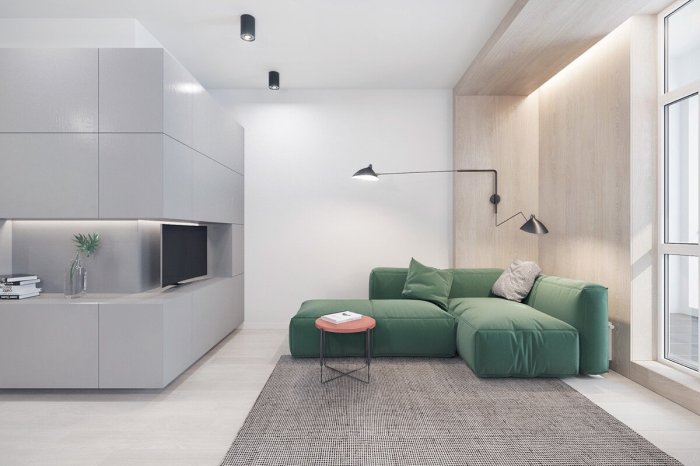
Minimalist design, characterized by its clean lines, uncluttered spaces, and intentional use of elements, offers a refreshing approach to aesthetics and functionality. This guide delves into the core principles of minimalist design, exploring how to apply them across various contexts, from website layouts to interior spaces. We’ll uncover the power of negative space, the importance of thoughtful material selection, and the role of typography in creating a visually harmonious and impactful design.
From understanding the key differences between minimalist and maximalist aesthetics to mastering the art of color palettes and visual hierarchy, we aim to equip you with the knowledge and tools to create truly minimalist designs. Whether you’re a seasoned designer or a curious enthusiast, this guide provides practical tips and insights to elevate your design projects.
Defining Minimalist Design
Minimalist design is a style that prioritizes simplicity, functionality, and clean aesthetics. It emphasizes the removal of unnecessary elements to create a visually uncluttered and impactful design. This approach focuses on the core essence of a design, stripping away any distractions to highlight its key features and purpose.Minimalist design differs significantly from other styles by its deliberate restraint.
Unlike maximalist design, which embraces abundance and ornamentation, minimalism champions a less-is-more philosophy. Other styles, such as Baroque or Victorian, feature intricate details and rich textures, while minimalist design prioritizes clean lines, negative space, and a limited color palette. This creates a sense of calm and order, which contrasts sharply with the busy, often overwhelming, visual impact of more ornate styles.
Examples of Minimalist Design
Minimalist design principles are applied across various disciplines. In website design, minimalism translates to clean layouts with ample white space, a simple navigation structure, and a focus on high-quality imagery and typography. Think of the website for a high-end fashion brand, where a single, striking image of a garment dominates the page, accompanied by minimal text and a clean, uncluttered layout.
In interior design, minimalism is reflected in the use of simple, functional furniture, a neutral color palette, and a lack of clutter. Imagine a sparsely furnished living room with a comfortable sofa, a sleek coffee table, and a few carefully selected accessories. In product design, minimalist aesthetics often result in sleek, unadorned objects that focus on functionality and user experience.
Apple products, for example, are frequently cited as prime examples of minimalist product design, with their clean lines, intuitive interfaces, and emphasis on usability.
Comparison of Minimalist and Maximalist Design
The following table illustrates the key differences between minimalist and maximalist design styles:
| Feature | Minimalist Design | Maximalist Design |
|---|---|---|
| Visual Elements | Clean lines, simple shapes, negative space, limited visual clutter | Intricate details, complex patterns, layered textures, abundant visual elements |
| Color Palette | Neutral colors, limited color range, often monochromatic | Rich, varied color palette, bold contrasts, vibrant hues |
| Overall Aesthetic | Clean, uncluttered, serene, calming, functional | Busy, layered, opulent, dramatic, expressive |
| Typography | Simple, clean fonts, limited font families | Variety of fonts, decorative typefaces, complex typography |
Space and Functionality in Minimalist Design
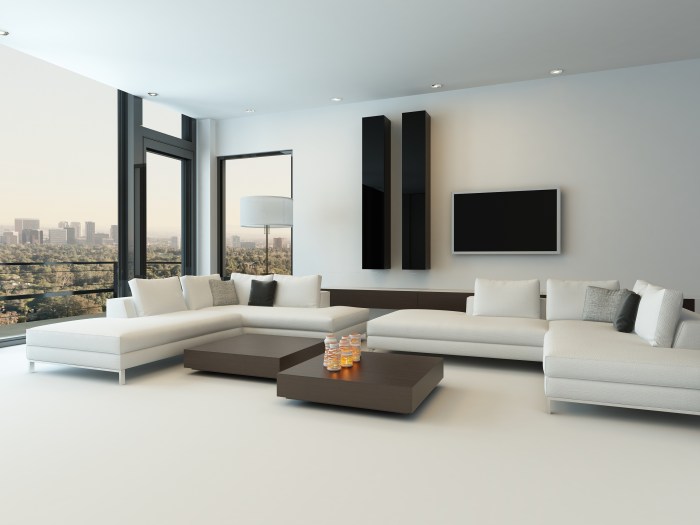
Minimalist design isn’t just about removing items; it’s about thoughtfully curating what remains, prioritizing both visual appeal and practical use. This involves a careful consideration of space and functionality, working in tandem to create environments that are both aesthetically pleasing and highly efficient. The core principles revolve around maximizing the impact of each element while minimizing clutter and maximizing the feeling of openness.
Negative space, often overlooked, plays a crucial role in minimalist design. It’s the empty space surrounding the design elements, providing visual breathing room and allowing the eye to rest. This deliberate use of emptiness enhances the impact of the elements that are present, making them stand out and appear more intentional. A well-designed minimalist space utilizes negative space to create a sense of calm and order, avoiding the visual fatigue associated with cluttered environments.
The Importance of Negative Space
Negative space, also known as white space, isn’t merely the absence of design elements; it’s an active component shaping the overall aesthetic. Its strategic placement guides the viewer’s eye, highlighting key features and creating a sense of balance. Consider the impact of a single, carefully chosen piece of art on a large, uncluttered wall: the negative space amplifies its presence and impact.
Conversely, crowding the same wall with numerous smaller pieces would diminish the effect of each individual item and create a feeling of visual overload. Mastering negative space is key to achieving the clean, uncluttered look that defines minimalist design.
Functionality Dictates Design Choices
In minimalist design, functionality is paramount. Every item included must serve a clear purpose, contributing to the overall usability and efficiency of the space. Unnecessary items are eliminated, and those that remain are chosen for their practicality and aesthetic value. This focus on functionality extends to the choice of materials, furniture, and color palettes. For example, a minimalist kitchen might feature sleek, built-in appliances and simple, unadorned cabinetry, prioritizing efficient workflow and ease of cleaning.
The design serves the function, rather than the other way around.
Optimizing Space Using Minimalist Principles
Optimizing space in a minimalist approach involves maximizing functionality while minimizing visual clutter. This can be achieved through strategic furniture selection, clever storage solutions, and a thoughtful approach to arrangement. Multi-functional furniture pieces, such as a sofa bed or a coffee table with built-in storage, are ideal for maximizing space efficiency. Vertical space should be utilized effectively, with tall bookshelves or wall-mounted storage units providing ample storage without cluttering the floor.
Light, neutral colors can also make a space feel larger and more open.
Sample Minimalist Living Room Layout
Imagine a living room with a light grey wall, a light oak hardwood floor, and ample natural light. The main focal point is a large, comfortable modular sofa in a neutral beige fabric, arranged against one wall to leave ample floor space. A low, rectangular coffee table made of light wood sits in front of the sofa, providing a surface for drinks and books.
A simple, geometric rug defines the seating area, adding texture and warmth without overwhelming the space. A single, large piece of abstract art hangs above the sofa, adding a touch of personality without detracting from the overall minimalist aesthetic. A floor lamp with a simple, sleek design provides task lighting, while recessed ceiling lights offer ambient illumination.
Storage is discreet, with a built-in shelving unit tucked away in a corner for books and decorative items. The overall effect is one of clean lines, calming neutrality, and an atmosphere of relaxed sophistication.
Color Palettes and Material Selection
Minimalist design thrives on simplicity, and this extends to both the color palettes employed and the materials chosen. A carefully curated selection in both areas contributes significantly to the overall aesthetic and functionality of a minimalist space. The aim is to create a sense of calm and order, avoiding visual clutter and overwhelming sensory input.Effective color palettes in minimalist design typically feature a limited number of hues, often sticking to a neutral base with one or two accent colors.
The focus is on creating a harmonious and balanced atmosphere rather than bold contrasts.
Effective Minimalist Color Palettes
Minimalist design frequently utilizes palettes built around neutrals. These provide a sense of spaciousness and tranquility. Common examples include variations of white, off-white, beige, gray, and black. These base colors can be enhanced with subtle accents. For instance, a palette might consist of a warm off-white wall color, light gray flooring, and accents of muted sage green or soft terracotta.
Another popular choice would be a cool-toned palette using various shades of gray, with pops of navy blue or charcoal gray for visual interest. These restrained color choices allow furniture and other design elements to stand out without overwhelming the space.
The Role of Texture and Material in Minimalist Aesthetics
Texture plays a crucial role in adding depth and visual interest to a minimalist space without compromising its clean lines. While the color palette remains restrained, the introduction of varied textures prevents the design from appearing flat or monotonous. Think of the contrast between the smooth surface of a concrete floor and the rough weave of a linen throw blanket, or the sleekness of a metal lamp against the warmth of a wooden coffee table.
This interplay of textures adds a layer of complexity without disrupting the overall sense of order. Materials should be chosen for their inherent qualities – their visual appeal, tactile experience, and durability.
Natural versus Synthetic Materials in Minimalist Design
Natural materials, such as wood, stone, linen, and cotton, often dominate minimalist interiors. These materials possess an inherent beauty and warmth, contributing to a sense of calm and connection with nature. Their natural variations in color and texture add character without feeling chaotic. However, synthetic materials also have a place in minimalist design, particularly when durability or practicality are prioritized.
Well-chosen synthetic materials, such as high-quality concrete, certain plastics, or carefully selected fabrics, can contribute to a clean, modern aesthetic. The key is to select materials that are understated and avoid overly flashy or artificial-looking textures. The choice between natural and synthetic materials often depends on the specific needs and priorities of the design, balancing aesthetic considerations with practical requirements like longevity and ease of maintenance.
Minimalist Bedroom Mood Board
Imagine a bedroom with walls painted in a soft, warm off-white, almost a creamy beige. The flooring is light gray engineered hardwood, its subtle grain adding a touch of texture without being visually distracting. The bed features a simple linen headboard in a natural, unbleached tone. The bedding is crisp white linen, layered with a light gray wool throw blanket.
A small, simple nightstand made of light oak wood sits beside the bed, holding a single, minimalist table lamp with a brushed brass base. The overall mood is one of serenity and calm. The natural materials create a feeling of warmth and comfort, while the neutral color palette enhances the sense of spaciousness and tranquility. The subtle textures add visual interest without detracting from the overall minimalist aesthetic.
The overall feeling is one of understated elegance and peaceful restfulness.
Typography and Visual Hierarchy
In minimalist design, typography and visual hierarchy are crucial elements that contribute significantly to the overall aesthetic and usability. A well-chosen typeface and a clear visual hierarchy guide the user’s eye effortlessly through the content, enhancing the user experience. The absence of clutter relies heavily on these principles to ensure that even with limited elements, the message is effectively conveyed.
Effective typography and a strong visual hierarchy are not merely stylistic choices; they are fundamental aspects of user experience design. They determine how easily users can navigate and understand the information presented on a webpage or any other minimalist design. By carefully selecting typefaces and strategically arranging elements, designers can create a harmonious and intuitive visual experience that enhances readability and engagement.
Type Selection for Minimalist Design
Choosing the right typography is paramount in minimalist design. Overuse of fonts can easily clutter a minimalist layout. Therefore, the ideal approach is to limit the number of fonts to one or, at most, two. These fonts should be highly legible and possess a clean, uncluttered design. Sans-serif typefaces are often preferred for their modern and clean aesthetic, while carefully chosen serif fonts can add a touch of elegance and sophistication, depending on the overall design’s goals.
Consider using a versatile font family that offers variations in weight (light, regular, bold) to create visual hierarchy within the text itself. For instance, using a bold font for headings and a lighter weight for body text enhances readability and establishes a clear visual structure.
Visual Hierarchy: Guiding the User’s Eye
Visual hierarchy dictates the order in which the user’s eye scans the design. In minimalist design, this is particularly important as there are fewer elements to guide the user. The goal is to create a clear path for the user’s eye, directing their attention to the most important information first. This can be achieved through careful consideration of size, color, contrast, and placement of elements.
Larger text sizes, bold fonts, and strategically placed high-contrast elements draw attention more effectively.
Whitespace and Visual Balance
Whitespace, often overlooked, is a crucial element in minimalist design. It’s the space surrounding and between elements. Effective use of whitespace creates visual balance, breathing room, and emphasizes key elements. Sufficient whitespace prevents a cluttered appearance, allowing each element to stand out and contribute to the overall harmony of the design. The strategic use of whitespace can be as powerful as any other design element in creating a visually appealing and user-friendly experience.
Organizing Text and Images on a Minimalist Webpage
Effective organization is key to a successful minimalist webpage. Consider using a grid-based layout to structure content, ensuring a consistent and balanced arrangement of text and images. Images should be high-quality and relevant, adding to the overall visual appeal without overwhelming the page. Text should be concise and easy to read, using clear headings and subheadings to improve navigation.
Below is an example of how to organize text and an image effectively on a minimalist webpage using HTML. Note the use of clear headings, sufficient whitespace, and a simple, uncluttered layout.
<div class="container"> <h1>Minimalist Design</h1> <img src="image.jpg" alt="Minimalist design example" /> <p>This is a paragraph of text explaining minimalist design. It is concise and easy to read.</p> <p>Another paragraph with more information.</p></div>
Light and Shadow in Minimalist Design
Light and shadow are fundamental elements in minimalist design, shaping the perception of space and influencing the overall mood and atmosphere. The careful manipulation of both natural and artificial light sources is crucial in creating a clean, uncluttered, and visually engaging environment. The interplay between light and shadow adds depth and texture, even within the context of a minimalist aesthetic’s inherent simplicity.The strategic use of light and shadow enhances the minimalist aesthetic by creating visual interest and highlighting key features within a space.
Natural light, when maximized, brightens the room and gives a sense of spaciousness, while strategically placed shadows can add depth and dimension, preventing the space from feeling flat or sterile. Artificial lighting complements natural light, providing targeted illumination for specific tasks and creating ambient lighting to set the mood.
Natural and Artificial Lighting in Minimalist Spaces
Natural light is the preferred choice in minimalist design, owing to its ability to create a bright, airy atmosphere. Large windows, skylights, and strategically placed openings maximize the influx of natural light. However, relying solely on natural light isn’t always practical, especially during evening hours or in spaces with limited natural light access. Artificial lighting steps in to compensate, maintaining the minimalist aesthetic through the use of clean lines, simple shapes, and integrated fixtures.
Recessed lighting is a popular choice, providing even illumination without cluttering the space. Linear fixtures, particularly LED strips, can be used to highlight architectural features or create ambient lighting along walls or ceilings.
Using Shadow to Create Depth and Visual Interest
Shadows, often overlooked, are a powerful tool in minimalist design. They can add depth and dimension to otherwise flat surfaces. For instance, a strategically placed pendant light above a low-hanging shelf can cast a shadow beneath, emphasizing the shelf’s form and creating a sense of visual separation from the wall. Similarly, the interplay of light and shadow on textured surfaces, such as a lightly textured wall, can add subtle visual interest without disrupting the overall minimalist feel.
The contrast between light and dark areas adds visual intrigue, preventing the space from appearing overly simplistic or monotonous.
Impact of Light and Shadow on Perceived Size and Scale
The interplay of light and shadow significantly impacts the perceived size and scale of objects and spaces. Brightly lit areas appear larger and more open, while shadowed areas appear smaller and more intimate. This principle can be used to manipulate the perception of space. For example, brightly lighting a small kitchen will make it feel more spacious, while subtly shadowing less important areas can create a sense of visual balance and focus attention on key features.
Conversely, using shadows to define areas within a large, open-plan space can create a sense of intimacy and separation without resorting to physical partitions.
Lighting Plan for a Minimalist Kitchen
A minimalist kitchen lighting plan should integrate both ambient and task lighting seamlessly. Recessed lighting in the ceiling provides even ambient lighting throughout the space. Under-cabinet lighting, using LED strips, illuminates the countertops and provides focused task lighting for food preparation. A single, stylish pendant light above the kitchen island serves as both a focal point and a task light for dining or casual meal preparation.
The fixtures should be simple, sleek, and unobtrusive, reflecting the overall minimalist aesthetic. The placement of the lights is crucial. Avoid harsh shadows by strategically placing the fixtures to minimize glare and maximize the functionality of the lighting. The use of dimmers allows for adjustment of brightness levels to suit different moods and activities, further enhancing the flexibility and functionality of the lighting plan.
Designer Tips and Design Services
Successfully integrating minimalist principles into design requires a keen understanding of both aesthetic restraint and impactful functionality. This section will explore essential tips for designers embracing minimalism, showcase exemplary minimalist projects, and Artikel the various design services offered by professionals specializing in this approach.
Minimalist design, while seemingly simple, demands precision and intentionality. It’s not about removing elements, but about selecting and arranging them with meticulous care to achieve maximum impact.
Essential Tips for Minimalist Designers
For designers striving for minimalist excellence, these tips offer a practical roadmap to success. These suggestions are not exhaustive, but they represent core principles frequently employed by leading minimalist designers.
- Prioritize functionality: Every element should serve a clear purpose. Avoid unnecessary embellishments.
- Embrace whitespace: Negative space is crucial for creating visual breathing room and highlighting key elements.
- Refine your color palette: Stick to a limited, carefully chosen color palette. Monochromatic schemes or palettes with high contrast often work best.
- Master typography: Choose one or two highly legible fonts. Pay close attention to hierarchy and readability.
- Focus on quality materials: Use high-quality materials that enhance the overall aesthetic and durability of the design.
- Iterate and refine: Minimalist design is a process of refinement. Continuously evaluate and adjust your work to achieve maximum impact with minimum elements.
Examples of Successful Minimalist Design Projects
Observing successful minimalist designs provides valuable insight into the practical application of these principles. Analyzing these examples allows designers to learn from established best practices and identify design solutions they can adapt to their own work.
- The Apple website: Known for its clean layout, intuitive navigation, and strategic use of whitespace, the Apple website exemplifies minimalist web design. The focus is on product imagery and concise messaging, creating a premium and uncluttered user experience. Imagine a clean white background, high-quality product images dominating the screen, and minimal text, carefully placed to guide the user.
- Muji product design: Muji’s product line, from stationery to furniture, showcases the beauty of simplicity. The designs prioritize functionality and durability, using natural materials and neutral colors. Picture simple, unadorned furniture pieces crafted from natural wood, emphasizing clean lines and practical design.
- The Scandinavian design movement: Characterized by its emphasis on functionality, natural materials, and light, Scandinavian design serves as a timeless example of minimalist aesthetics. Imagine light-filled rooms with simple, functional furniture made from wood and natural fabrics, emphasizing practicality and understated elegance.
Minimalist Design Services Offered by Professionals
Professionals specializing in minimalist design offer a range of services across various design disciplines. Understanding these services and their value propositions is crucial for clients seeking to incorporate minimalist principles into their projects.
- Interior Design: Creating minimalist living spaces through furniture selection, spatial arrangement, and color palette implementation. The value proposition is a calming, functional, and aesthetically pleasing environment that maximizes space and minimizes clutter.
- Web Design: Designing websites with clean layouts, intuitive navigation, and a focus on user experience. The value proposition is a user-friendly, visually appealing website that effectively communicates the client’s message without overwhelming the user.
- Graphic Design: Creating minimalist logos, branding materials, and marketing collateral. The value proposition is a strong, memorable brand identity that is easily recognizable and communicates the essence of the brand with clarity and impact.
By embracing the principles of minimalism – simplicity, functionality, and intentionality – you can create designs that are not only visually appealing but also deeply impactful. Remember, minimalist design is not about deprivation but about thoughtful curation and a focus on what truly matters. Mastering the use of negative space, carefully selecting colors and materials, and prioritizing visual hierarchy will allow you to create spaces and experiences that are both aesthetically pleasing and highly functional.
The journey towards mastering minimalist design is a continuous process of refinement and exploration; embrace the challenge and enjoy the journey.
Query Resolution
What are the benefits of minimalist design?
Minimalist design enhances clarity, improves user experience (UX), reduces visual clutter, and creates a sense of calm and sophistication.
How can I incorporate minimalism into my existing space?
Start by decluttering, focusing on essential items. Choose a neutral color palette and incorporate natural materials. Rearrange furniture to maximize space and flow.
Is minimalist design expensive?
Not necessarily. Minimalism focuses on quality over quantity. Investing in a few well-chosen, durable pieces can be more cost-effective in the long run than accumulating many inexpensive items.
Can minimalist design be applied to all design fields?
Yes, minimalist principles are adaptable across various fields, including web design, graphic design, interior design, product design, and even fashion.


