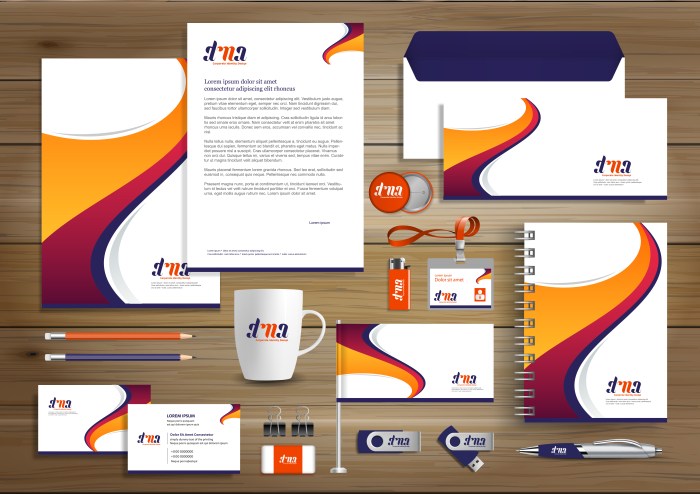
Corporate design services are pivotal for businesses seeking to establish a strong brand presence and cultivate lasting customer relationships. They encompass a wide range of activities, from crafting a compelling brand identity and visual language to developing marketing materials that resonate with the target audience. This comprehensive guide delves into the core aspects of corporate design, exploring its value proposition, design process, essential elements, and future trends.
Understanding the nuances of corporate design is crucial for businesses of all sizes. A well-defined brand identity not only enhances visual appeal but also directly impacts brand recognition, customer loyalty, and ultimately, the bottom line. This exploration will equip you with the knowledge to effectively leverage corporate design services to achieve your business objectives.
Defining Corporate Design Services
Corporate design services encompass the strategic development and implementation of a consistent visual identity for a company. This goes beyond simply creating a logo; it’s about crafting a holistic brand experience that resonates with target audiences and strengthens market positioning. This involves a cohesive approach to branding, visual identity, and the creation of all associated marketing materials.The scope of these services is broad, impacting all aspects of a company’s outward presentation.
It includes the creation and management of a brand’s visual identity—its logo, color palette, typography, and imagery—and extends to the design of marketing and communication materials such as websites, brochures, business cards, social media graphics, and even packaging. Ultimately, the goal is to build brand recognition and loyalty through a consistent and impactful visual language.
Types of Businesses Benefiting from Corporate Design Services
Many businesses, regardless of size or industry, can significantly benefit from professional corporate design services. However, some types of businesses see a particularly strong return on investment. Startups, for example, benefit immensely from establishing a strong brand identity from the outset. This helps them differentiate themselves in a competitive market and attract investors and customers. Similarly, established businesses looking to refresh their image, expand into new markets, or reposition themselves within their existing market will find these services invaluable.
Companies undergoing mergers or acquisitions may also need to consolidate their branding and create a unified visual identity. Finally, businesses experiencing a decline in market share or brand recognition can leverage corporate design services to revitalize their image and regain customer trust.
Examples of Successful Corporate Design Implementations
Successful implementations of corporate design services are evident across numerous industries. Consider Apple’s iconic minimalist design language, characterized by clean lines, simple typography, and a consistent use of a limited color palette. This approach has built a powerful brand recognition synonymous with quality and innovation. In contrast, Coca-Cola’s brand identity relies on a classic and instantly recognizable logo, a vibrant red color, and a consistently playful tone in its marketing materials, creating a sense of familiarity and nostalgia.
These contrasting approaches demonstrate the adaptability of corporate design to various business strategies and target audiences. Another example is Nike’s iconic swoosh logo, which transcends language and cultural barriers, becoming a globally recognized symbol of athletic performance and achievement. The simplicity and memorability of the logo are key to its success. These examples highlight the long-term impact of thoughtful and strategically implemented corporate design.
The Value Proposition of Corporate Design Services
Investing in professional corporate design is more than just a cosmetic upgrade; it’s a strategic move that significantly impacts a business’s bottom line. A well-defined and consistently executed corporate design system builds brand recognition, fosters customer loyalty, and ultimately drives revenue growth. This section will explore the key benefits businesses reap from this investment and demonstrate the tangible return on investment (ROI).Professional corporate design offers a multitude of benefits, impacting everything from initial brand perception to long-term customer engagement.
A cohesive brand identity, built on a strong foundation of visual elements and messaging, creates a powerful and memorable impression on potential customers. This, in turn, translates to increased brand recognition and recall, making it easier for your target audience to identify and choose your business over competitors. Furthermore, consistent branding across all platforms – from website and marketing materials to physical products and employee uniforms – reinforces trust and professionalism, ultimately leading to stronger customer relationships and increased sales.
Return on Investment (ROI) from Improved Brand Perception and Customer Engagement
The ROI of improved brand perception and customer engagement is multifaceted and often difficult to quantify directly. However, numerous studies show a strong correlation between strong corporate design and key business metrics. Improved brand recognition leads to higher conversion rates, as customers are more likely to remember and choose a brand they recognize and trust. Increased customer engagement, fostered through consistent and appealing branding, results in greater customer loyalty and repeat business.
This translates to reduced marketing costs, as loyal customers are more likely to recommend your business to others, generating organic growth and word-of-mouth marketing. Consider a hypothetical example: a company investing in a professional redesign sees a 15% increase in website traffic and a 10% increase in sales within six months. While this is a simplified example, it illustrates the potential for significant financial returns.
The actual ROI will vary depending on the specific industry, target market, and the quality of the design implementation.
Comparative Analysis: Strong vs. Weak Corporate Design
The following table highlights the key differences between a company with strong corporate design and one lacking a cohesive brand identity.
| Feature | Company with Strong Corporate Design | Company without Strong Corporate Design |
|---|---|---|
| Brand Recognition | High; easily identifiable logo, consistent color palette and typography across all platforms. | Low; inconsistent branding, unclear messaging, difficulty standing out from competitors. |
| Customer Loyalty | High; customers trust the brand and are more likely to return for repeat purchases. | Low; customers may not remember the brand or associate it with consistent quality. |
| Marketing Effectiveness | High; marketing campaigns are more impactful and efficient due to strong brand recognition. | Low; marketing efforts may be less effective due to inconsistent messaging and lack of brand recall. |
| Employee Morale | High; employees feel pride in representing a well-branded company. | Potentially low; lack of a cohesive brand identity may lead to a lack of direction and decreased employee engagement. |
The Design Process for Corporate Design Services
Crafting a successful corporate design requires a structured and iterative process. This ensures a cohesive brand identity that effectively communicates your company’s values and goals. The following Artikels the typical stages involved, from initial concept to final delivery. Each phase builds upon the previous one, creating a strong foundation for your brand’s visual representation.
Initial Consultation and Project Briefing
This crucial first step involves a thorough discussion with the client to understand their business objectives, target audience, and brand aspirations. We gather information on their existing brand elements (if any), their competitive landscape, and their desired outcomes for the redesign or new brand creation. This collaborative phase establishes a clear understanding of the project scope and sets the foundation for the design process.
We create a detailed project brief that documents all agreed-upon aspects, including timelines and deliverables.
Research and Analysis
Following the project briefing, comprehensive research is undertaken. This involves analyzing the client’s industry, competitive landscape, and target audience. Market research techniques may be employed, along with competitor analysis to identify opportunities for differentiation. This phase also includes a thorough review of existing brand guidelines (if applicable) and a deep dive into the client’s brand values and mission statement.
The goal is to gather all necessary information to inform design decisions. For example, we might conduct surveys, analyze social media trends, or interview key stakeholders.
Ideation and Concept Development
Armed with thorough research, the ideation phase begins. This is where initial design concepts are developed. Multiple design directions are explored, each reflecting different interpretations of the client’s brand identity and objectives. Mood boards, sketches, and initial visual mockups are created to visualize the different design approaches. Client feedback is actively sought at this stage to ensure alignment with their vision.
This iterative process refines the concepts until a preferred direction is established. For instance, we might present three distinct design concepts, each with a unique color palette, typography, and overall aesthetic.
Design Refinement and Development
Once a preferred design direction is selected, the design is refined and developed. This stage involves creating high-fidelity mockups, incorporating client feedback, and ensuring consistency across all brand touchpoints. This might include refining logos, developing a comprehensive color palette, and defining typography guidelines. Detailed design specifications are created to ensure consistent application of the brand across various platforms, such as websites, marketing materials, and social media.
For example, we might create detailed style guides that specify font sizes, color codes, and logo usage guidelines.
Implementation and Delivery
The final stage involves implementing the finalized designs and delivering the project assets to the client. This might include providing digital files, style guides, and any other necessary documentation. We may also offer training or support to ensure the client can effectively use the new brand assets. A final review and sign-off process ensures the client is completely satisfied with the deliverables before project completion.
For example, we would provide high-resolution logo files in various formats, along with a comprehensive brand style guide in both print and digital formats.
Essential Elements of Effective Corporate Design
A strong corporate design is more than just a pretty logo; it’s the visual embodiment of your brand, influencing how customers perceive and interact with your company. It’s a strategic tool that builds recognition, trust, and ultimately, profitability. A well-executed corporate design system ensures consistent messaging across all platforms, reinforcing brand identity and fostering a cohesive brand experience.Effective corporate design hinges on several key elements working in harmony.
These elements, when meticulously planned and executed, create a powerful and memorable brand presence that resonates with the target audience. Understanding and implementing these elements is crucial for any organization aiming to establish a strong and lasting market position.
Logo Design
The logo serves as the cornerstone of a company’s visual identity. It’s the most recognizable element, often the first impression a potential customer has of your brand. A well-designed logo should be memorable, versatile (adaptable to different sizes and applications), and reflective of the company’s values and mission. Consider the logos of companies like Nike (the swoosh) or Apple (the apple), both simple yet instantly recognizable and powerfully evocative of their respective brands.
The design should be timeless, avoiding trends that might quickly become dated. Careful consideration of the logo’s typography, color palette, and overall shape is paramount to its effectiveness.
Color Palettes
Color psychology plays a significant role in brand perception. Different colors evoke different emotions and associations. For example, blue often conveys trust and stability, while green suggests growth and environmental consciousness. A well-chosen color palette should align with the brand’s personality and target audience. The palette should be consistent across all brand materials, from websites and marketing collateral to packaging and employee uniforms, ensuring a unified brand experience.
Consistency reinforces recognition and strengthens brand recall. A poorly chosen or inconsistently applied color palette can dilute brand messaging and create confusion.
Typography
Typography, the art of arranging type, significantly impacts readability and brand personality. Choosing appropriate fonts for headlines, body text, and other elements is crucial for maintaining visual consistency and conveying the desired tone. Serif fonts (like Times New Roman) often project a sense of tradition and sophistication, while sans-serif fonts (like Arial) tend to appear modern and clean.
The selection should reflect the brand’s image and be easily legible across various platforms. Inconsistent use of fonts can create a disorganized and unprofessional look, undermining brand credibility.
Brand Consistency Across Platforms
Maintaining consistent brand messaging and visual elements across all platforms – website, social media, print materials, email marketing, etc. – is paramount. Inconsistency confuses consumers and weakens brand identity. A well-defined brand style guide, outlining the approved logo usage, color palette, typography, and imagery, ensures everyone involved in representing the brand adheres to the same standards. This guide serves as a reference point, preventing visual discrepancies and ensuring a cohesive brand experience across all touchpoints.
Visual Hierarchy and Design Principles
Effective visual hierarchy guides the viewer’s eye through the design, emphasizing key information and creating a clear visual flow. This is achieved through the strategic use of size, color, contrast, and whitespace. Design principles such as proximity, alignment, repetition, and contrast ensure a visually appealing and easily understandable design. Applying these principles creates a harmonious and effective communication, ensuring the message is conveyed clearly and efficiently.
Poor visual hierarchy can lead to confusion and frustration for the viewer, hindering effective communication.
Designer Tips and Design Services

Successful corporate design hinges on a strong understanding of client needs and a streamlined project management approach. Effective communication and a well-defined design process are crucial for delivering high-quality results that meet and exceed client expectations. This section will explore practical tips for designers, showcase effective design solutions, detail various design services, and list essential software and tools.Effective communication is paramount in corporate design projects.
Misunderstandings can lead to delays, revisions, and ultimately, dissatisfaction. Clear and consistent communication throughout the design process is essential. This includes regular check-ins, detailed progress reports, and proactive responses to client inquiries. Establishing clear expectations from the outset, including timelines, deliverables, and budget, is also vital.
Client Communication Strategies
Maintaining open communication channels is key to a successful client relationship. This involves regular meetings (both in-person and virtual), detailed email updates, and prompt responses to client questions and concerns. For larger projects, consider using project management software to track progress, deadlines, and feedback. Presenting design concepts in a clear and concise manner, using visual aids and prototypes, helps clients understand the design direction and provides opportunities for feedback early in the process.
Active listening is also crucial, ensuring that you fully understand the client’s vision and requirements before starting the design work. Documenting all communication and agreements is a best practice for mitigating potential disputes.
Project Management Techniques
Efficient project management is crucial for delivering projects on time and within budget. Utilizing project management methodologies, such as Agile or Waterfall, can help organize tasks, track progress, and manage resources effectively. Breaking down large projects into smaller, manageable tasks allows for better organization and easier tracking of progress. Using project management software, such as Asana, Trello, or Monday.com, can streamline workflows, facilitate collaboration, and improve communication with clients and team members.
Regularly reviewing timelines and adjusting them as needed is vital to maintain project momentum and meet deadlines. Proactive risk management, identifying and addressing potential problems early, can prevent significant delays or cost overruns.
Examples of Effective Design Solutions
A company launching a new sustainable product line might benefit from a design that incorporates natural imagery, earthy color palettes, and minimalist typography to communicate their commitment to environmental responsibility. Conversely, a tech startup might use bold geometric shapes, vibrant colors, and cutting-edge typography to project innovation and forward-thinking. A traditional financial institution, on the other hand, might require a design that emphasizes trust and stability, utilizing classic fonts, subdued colors, and a sophisticated layout.
These examples demonstrate how design solutions should align with a company’s brand identity and target audience.
Types of Design Services Offered
Corporate design services encompass a broad range of offerings tailored to a business’s specific needs. These include:
- Logo Design: Creating a unique and memorable visual representation of a brand’s identity.
- Website Design: Developing user-friendly and visually appealing websites that effectively communicate a brand’s message and drive conversions.
- Print Collateral Design: Designing marketing materials such as brochures, business cards, flyers, and other printed materials.
- Branding Guidelines Development: Creating a comprehensive guide that Artikels a brand’s visual identity, ensuring consistent brand application across all platforms.
- Packaging Design: Designing eye-catching and functional packaging that protects the product and enhances its appeal.
Essential Software and Tools
Effective corporate design requires a suite of specialized software and tools. The following list highlights some of the most commonly used:
- Adobe Creative Suite (Photoshop, Illustrator, InDesign): Industry-standard software for image editing, vector graphics, and page layout.
- Figma/Sketch: Vector-based graphic design tools popular for UI/UX design and prototyping.
- Adobe XD/Axure RP: Wireframing and prototyping tools for website and app design.
- Project Management Software (Asana, Trello, Monday.com): Tools for managing projects, tasks, and team collaboration.
Case Studies of Successful Corporate Design Projects
Effective corporate design isn’t just about aesthetics; it’s a strategic investment that directly impacts a company’s bottom line. These case studies demonstrate how thoughtful design solutions can lead to significant improvements in brand perception, customer engagement, and ultimately, business success. Each example highlights the challenges faced, the creative solutions implemented, and the measurable results achieved.
Starbucks Rebranding (2011)
Starbucks faced declining sales and a perceived disconnect with its core customer base. Their previous logo, while iconic, felt outdated. The rebranding focused on simplifying the logo, removing the outer ring and emphasizing the siren. This subtle yet impactful change modernized the brand, making it feel more approachable and relevant to a younger demographic. The new logo was rolled out across all platforms, from packaging to in-store signage, creating a consistent and unified brand experience.
The result was a revitalized brand image, increased customer engagement, and a boost in sales. The simplified logo also allowed for greater flexibility in application across various mediums and sizes. The project demonstrated the power of minimalism in modern branding and the importance of adapting to evolving consumer preferences.
Airbnb’s Brand Evolution
Initially, Airbnb’s branding was somewhat generic. As the company grew, they recognized the need for a more sophisticated and emotionally resonant brand identity. Their design evolution focused on developing a unique visual language that communicated the feeling of belonging and community associated with their platform. This involved developing a custom typeface, refining their color palette, and creating a more consistent visual style across their website, app, and marketing materials.
The new branding aimed to capture the spirit of exploration and connection central to the Airbnb experience, moving beyond a simple accommodation booking service to embody a lifestyle brand. The impact included increased brand recognition, stronger emotional connection with users, and a more premium brand perception.
Mailchimp’s Playful and Approachable Design
Mailchimp, an email marketing platform, successfully differentiated itself from competitors through its unique and playful brand identity. Instead of adopting a serious and corporate tone, they embraced a quirky and approachable style, using vibrant colors, quirky illustrations, and a friendly, conversational voice. This design choice resonated particularly well with small businesses and entrepreneurs, who often find traditional marketing materials intimidating.
Their design extends to their website, email templates, and marketing materials, creating a consistent and memorable brand experience. The outcome was a highly recognizable brand, a strong connection with their target audience, and impressive brand loyalty. The playful design successfully communicated Mailchimp’s commitment to making email marketing accessible and user-friendly.
| Case Study | Design Challenge | Solution Implemented | Business Impact |
|---|---|---|---|
| Starbucks Rebranding | Declining sales, outdated brand image | Simplified logo, modernized branding across all platforms | Revitalized brand image, increased customer engagement, sales boost |
| Airbnb’s Brand Evolution | Generic branding, lack of emotional connection | Developed a unique visual language, custom typeface, refined color palette | Increased brand recognition, stronger emotional connection, premium brand perception |
| Mailchimp’s Playful Design | Standing out from competitors, appealing to small businesses | Quirky and approachable style, vibrant colors, friendly voice | Highly recognizable brand, strong audience connection, brand loyalty |
Future Trends in Corporate Design
Corporate design is a dynamic field, constantly evolving to reflect societal shifts, technological advancements, and changing consumer expectations. Understanding these future trends is crucial for businesses aiming to maintain a strong brand identity and resonate with their target audiences. The coming years will see a convergence of sustainability, technology, and inclusive design practices, reshaping how companies visually communicate their values and offerings.The impact of technology on corporate design is profound and multifaceted.
Artificial intelligence (AI) is already influencing design processes, from automating repetitive tasks to generating creative concepts and predicting design trends. AI-powered tools can analyze vast datasets to identify successful design elements and optimize designs for maximum impact. Furthermore, virtual and augmented reality (VR/AR) are creating immersive brand experiences, allowing companies to engage customers in novel and memorable ways.
Imagine a virtual showroom showcasing a new product line, or an AR filter that overlays a company’s logo onto a user’s real-world environment – these are becoming increasingly commonplace.
Sustainability in Corporate Design
Sustainability is no longer a niche concern; it’s a core value for many consumers and a critical aspect of responsible business practice. This translates directly into corporate design, with a growing emphasis on eco-friendly materials, reduced waste, and ethical sourcing. Companies are increasingly incorporating sustainable practices into their branding, using recycled paper for marketing materials, minimizing packaging, and highlighting their commitment to environmental responsibility in their visual communications.
For example, Patagonia’s commitment to sustainable materials and practices is reflected in its minimalist, nature-inspired branding. Their packaging is often made from recycled materials, and their marketing materials often feature images of natural landscapes, reinforcing their brand values.
Inclusivity and Diversity in Corporate Design
Inclusivity and diversity are becoming paramount in corporate design. Brands are moving beyond tokenistic representation and striving for authentic representation of diverse groups in their imagery, messaging, and overall brand aesthetic. This includes using diverse models in advertising campaigns, avoiding stereotypical representations, and ensuring accessibility for people with disabilities. For example, brands are increasingly utilizing inclusive color palettes that are accessible to people with color blindness and designing websites and applications that comply with accessibility guidelines.
This broader approach ensures a more equitable and representative brand image.
Adapting to Changing Consumer Preferences
Consumer preferences and behaviors are in constant flux, driven by factors like social media, technological advancements, and evolving cultural norms. Corporate design must adapt to these changes to remain relevant and engaging. For instance, the rise of minimalist aesthetics and the demand for authentic brand storytelling necessitate a shift away from overly flashy or generic designs. Consumers are increasingly drawn to brands that communicate their values transparently and authentically, fostering trust and loyalty.
A shift towards personalized experiences is also evident, requiring brands to tailor their design elements to resonate with individual preferences. This might involve using data-driven insights to personalize website content or creating targeted marketing campaigns.
Investing in professional corporate design services is a strategic decision that yields significant returns. By establishing a cohesive brand identity and employing effective visual communication, businesses can differentiate themselves in a competitive market, attract and retain customers, and ultimately achieve sustainable growth. This guide has provided a framework for understanding the process and value of corporate design, empowering you to make informed choices that enhance your brand’s success.
FAQ Section
What is the difference between branding and corporate design?
Branding is the overall strategy and perception of a company, encompassing its values, mission, and personality. Corporate design is the visual manifestation of that brand, using elements like logos, colors, and typography to communicate the brand identity.
How long does a corporate design project typically take?
The timeline varies depending on the project’s scope and complexity, but it can range from several weeks to several months.
How much do corporate design services cost?
Pricing depends on factors like the services required, project scope, and the designer’s experience. It’s best to obtain quotes from multiple designers.
What types of businesses benefit most from corporate design services?
Businesses of all sizes and industries can benefit, but those launching new products, rebranding, or seeking to improve brand recognition will see the most significant impact.


