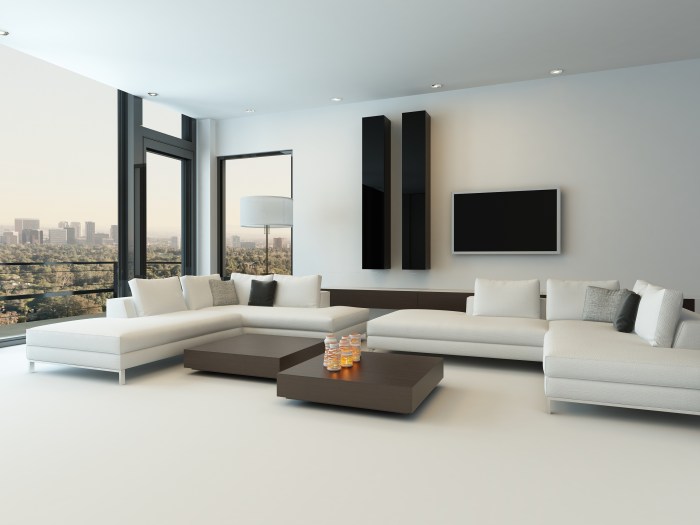
Embark on a journey into the world of Minimalist Design Tips, where simplicity meets sophistication in every element of design. From interiors to graphic design, uncover the secrets to creating a space that exudes calm and clarity.
Discover the art of decluttering, the magic of negative space, and the subtle balance between minimalism and personality. Join us as we delve into the essence of minimalist design and unlock the door to a world of timeless elegance.
Understanding Minimalist Design
Minimalist design is a design approach characterized by simplicity, clean lines, and a focus on essential elements. The core principles of minimalist design include:
Clean Lines
- Clean lines are a key element of minimalist design, focusing on straight, simple lines without any decorative embellishments.
- Examples of clean lines can be seen in furniture with sleek, unfussy designs and architecture with geometric shapes.
Simple Color Palettes
- Minimalist design often utilizes simple color palettes, such as black, white, and neutral tones.
- These color choices help create a sense of calm and cohesion in a space.
Ample Open Space
- Minimalist design emphasizes the use of ample open space, also known as negative space, to allow the focus to remain on the essential elements.
- Open space can help create a sense of balance and harmony in a minimalist design.
Importance of Functionality and Simplicity
- Functionality is paramount in minimalist design, with every element serving a purpose and eliminating unnecessary clutter.
- By embracing simplicity, minimalist design focuses on the essentials, promoting a sense of clarity and purpose.
Creating Calm and Focus
- Minimalist design can create a sense of calm and focus in a space by reducing visual clutter and distractions.
- With its emphasis on simplicity and clean lines, minimalist design promotes a tranquil atmosphere conducive to concentration and relaxation.
Implementing Minimalist Design in Interiors
When it comes to creating a minimalist design in interiors, there are several key strategies to keep in mind. By decluttering spaces, using multifunctional furniture, incorporating natural light, and adding indoor plants, you can achieve a sleek and stylish minimalist aesthetic while still maintaining warmth and personality in the room.
Decluttering Spaces
To achieve a minimalist look, start by decluttering your space. Get rid of items that are unnecessary or no longer serve a purpose. Keep only the essentials and make sure everything has its designated place. This will create a clean and organized environment, which is essential for minimalist design.
Using Multifunctional Furniture
Maximize space in a minimalist interior by incorporating multifunctional furniture pieces. Opt for items that serve more than one purpose, such as a storage ottoman or a sofa bed. This not only helps save space but also adds functionality to your room without cluttering it.
Incorporating Natural Light and Indoor Plants
Natural light is a key element in minimalist design. Maximize the use of windows and light-colored curtains to allow natural light to flood the room, creating a bright and airy atmosphere. Additionally, adding indoor plants can bring a touch of nature indoors, adding a sense of serenity and freshness to the space.
Balancing Minimalism with Warmth and Personality
While minimalist design focuses on simplicity and clean lines, it’s important to balance it with warmth and personality to avoid a sterile look. Add personal touches like artwork, decorative pillows, or textured rugs to infuse warmth into the space. Mix and match different materials and textures to create visual interest and add character to the room.
Minimalist Design in Graphic Design
Minimalist graphic design focuses on simplicity and clarity, using the concept of “less is more” to create impactful visuals. In this context, negative space plays a crucial role in enhancing the overall design by allowing elements to breathe and stand out effectively.
Effective Use of Negative Space
Negative space, also known as white space, is the empty space around and between the elements in a design. In minimalist graphic design, negative space is utilized to create balance, focus, and emphasis. By strategically incorporating negative space, designers can guide the viewer’s attention and convey a sense of elegance and sophistication.
- Ensure that negative space complements the main elements of the design without overwhelming them.
- Use negative space to create visual hierarchy and direct the viewer’s eye to important information or key elements.
- Experiment with different arrangements of elements and negative space to achieve the desired visual impact.
Examples of Minimalist Logos and Branding
Minimalist logos and branding are characterized by clean lines, simple shapes, and a focus on essential elements. Some well-known examples include the logos of Apple, Nike, and Google. These logos effectively communicate the brand’s identity and values through minimalistic design principles.
- Apple: The iconic Apple logo, a bitten apple silhouette, is a prime example of minimalist design that is instantly recognizable and memorable.
- Nike: The Nike swoosh logo is a minimalist yet powerful symbol that conveys the brand’s commitment to athleticism and excellence.
- Google: Google’s colorful logo, with its simple lettering and vibrant colors, embodies a playful and modern approach to minimalist branding.
Importance of Typography and Color Choices
Typography and color choices are essential aspects of minimalist graphic design, as they contribute to the overall aesthetic and impact of a design. Selecting the right typefaces and color palettes can enhance readability, convey emotion, and create a cohesive visual identity.
- Choose clean, sans-serif fonts for a modern and minimalist look, avoiding overly decorative or elaborate typefaces.
- Limit the color palette to a few complementary colors that reflect the brand’s personality and message, keeping the design simple and harmonious.
- Use color and typography to differentiate between elements and establish a clear hierarchy in the design.
Tips for Creating Impactful Designs
Creating impactful designs with minimal elements requires a careful balance of restraint and creativity. Here are some tips to help you achieve stunning results:
- Focus on the essential elements and eliminate any unnecessary clutter or distractions from the design.
- Experiment with different layouts, compositions, and negative space to find the most visually appealing arrangement.
- Embrace simplicity and elegance in your design choices, prioritizing clarity and functionality above all else.
Designer Tips for Minimalist Design
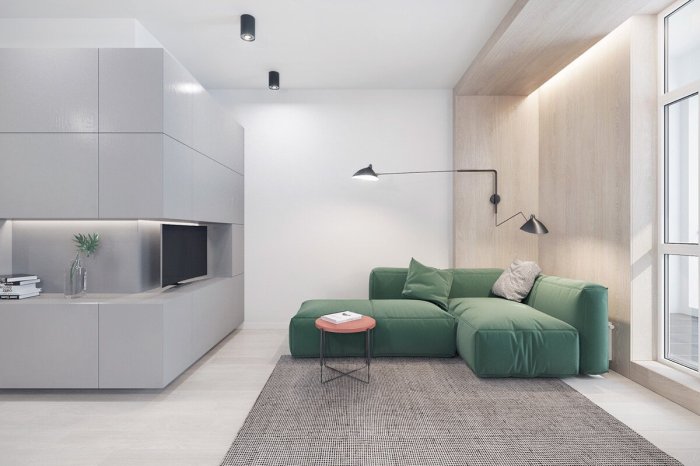
When it comes to minimalist design, choosing the right materials is crucial to achieving a clean and uncluttered look. Opt for materials like glass, metal, and wood with simple finishes to create a sleek and modern aesthetic.
Role of Symmetry and Asymmetry
In minimalist design, both symmetry and asymmetry play important roles. While symmetry can create a sense of balance and harmony, asymmetry adds visual interest and prevents the space from feeling too sterile. Experiment with both to find the right balance for your design.
Scaling Back and Editing Design Elements
One of the key principles of minimalist design is simplicity. To achieve this, it’s important to scale back and edit design elements to only include what is essential. Remove any unnecessary decorations or furnishings to create a clean and streamlined look.
Examples of Minimalist Design Projects
- A minimalist living room with a neutral color palette, sleek furniture, and minimal accessories.
- A minimalist kitchen with clean lines, hidden storage, and integrated appliances.
- A minimalist workspace with a clutter-free desk, ample natural light, and simple decor for a productive environment.
DESIGN SERVICES
Professional design services play a crucial role in achieving a minimalist look in any space. Designers are equipped with the expertise and knowledge to streamline and simplify the design process while maintaining the core principles of minimalism.
Importance of Professional Design Services
- Designers can help clients understand the fundamental principles of minimalist design, such as clean lines, simple color palettes, and functional furniture.
- They have the ability to create cohesive and harmonious spaces that reflect the client’s aesthetic preferences while staying true to minimalism.
- Designers can provide innovative solutions to maximize space and light, creating an open and uncluttered environment.
Benefits of Working with a Designer
- Access to a professional’s expertise and creative vision in bringing minimalist design concepts to life.
- Saves time and effort by having a skilled professional handle all aspects of the design process.
- Ensures a high-quality result that meets the client’s expectations and enhances the overall functionality of the space.
Selecting the Right Design Service
- Consider the designer’s portfolio and previous projects to gauge their experience with minimalist design.
- Communicate openly with the designer about your specific project needs and vision for the space.
- Aim to find a designer who aligns with your design aesthetic and can bring a fresh perspective to the project.
As we conclude our exploration of Minimalist Design Tips, remember that less is often more when it comes to design. Embrace the beauty of simplicity, the power of clean lines, and the tranquility of open spaces. Let your creativity soar within the minimalist realm, where every element serves a purpose and every space tells a story.
FAQ Compilation
How can minimalist design create a sense of calm?
Minimalist design achieves a sense of calm by eliminating clutter, focusing on essential elements, and embracing simplicity in form and function.
What role does natural light play in minimalist design?
Natural light is crucial in minimalist design as it enhances the feeling of spaciousness, illuminates clean lines, and creates a sense of harmony with the environment.
How can one incorporate warmth and personality in a minimalist room?
Adding personal touches like artwork, textured fabrics, or warm lighting can infuse a minimalist room with warmth and personality without compromising its clean aesthetic.


