Embark on a journey of optimizing your space with these Designer Tips for Organizing Your Space. Discover how to enhance productivity, creativity, and mental well-being through effective organization strategies.
Learn about storage solutions, functional layouts, design elements, customized design services, and virtual consultations to transform your space into a harmonious and inspiring environment.
Importance of Organization
Having a well-organized space can bring numerous benefits, both practical and psychological.
Enhanced Productivity and Creativity
When your space is organized, you can work more efficiently and effectively. You spend less time searching for items and more time focusing on the task at hand. This increased productivity can lead to better outcomes and a sense of accomplishment.
Impact on Mental Well-being
A cluttered space can contribute to feelings of overwhelm, stress, and anxiety. On the other hand, an organized space can promote calmness, clarity of mind, and overall mental well-being. It allows for better concentration, creativity, and a positive outlook on tasks.
Utilizing Storage Solutions
When it comes to organizing your space, utilizing storage solutions is key to keeping things tidy and maximizing your available space. From shelves to baskets to bins, there are various options to help you stay organized.
Shelves for Vertical Storage
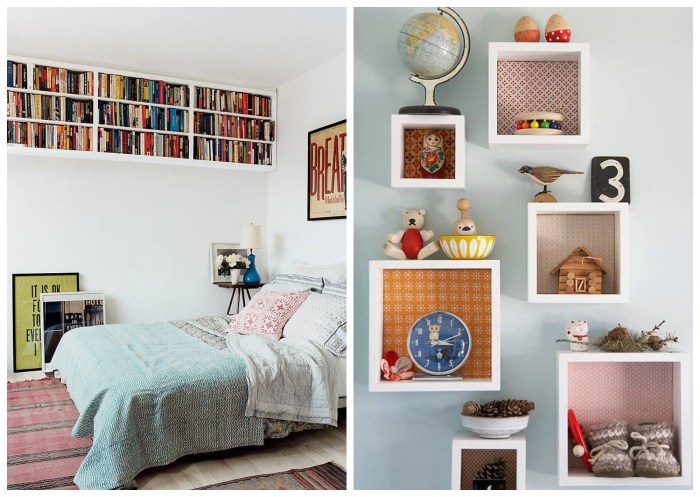
Shelves are a great way to take advantage of vertical space in your home. By installing shelves on walls, you can free up floor space and keep items off surfaces, making your space feel more open and organized.
- Install floating shelves in your living room to display decorative items or books.
- Add shelves above your desk to store office supplies and keep your workspace clutter-free.
- Utilize tall bookshelves in your bedroom to store clothes, shoes, and accessories.
Baskets and Bins for Small Areas
For small spaces, baskets and bins are lifesavers when it comes to storing items in a neat and accessible way. These storage solutions can be easily tucked away in closets or under beds, making use of every inch of space.
- Use woven baskets to store blankets and pillows in your living room.
- Opt for clear bins to organize and store seasonal clothing in your closet.
- Label bins and baskets to easily identify and access items when needed.
Designing Functional Layouts
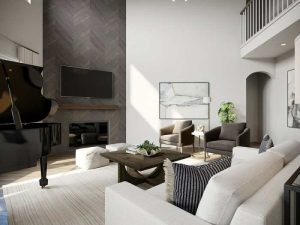
Planning a functional layout for different rooms is essential in creating a space that is not only visually appealing but also practical and efficient. The layout of a room can greatly impact how you use the space on a daily basis.
Importance of Flow and Accessibility
Creating a well-designed space involves considering the flow and accessibility within the room. A good layout should allow for easy movement from one area to another without any obstructions. This not only enhances the functionality of the space but also contributes to a more comfortable and harmonious environment.
- Ensure there is enough clearance space between furniture pieces to move around comfortably.
- Place commonly used items within arm’s reach to promote accessibility.
- Consider the natural flow of movement within the room and arrange furniture accordingly.
- Optimize natural light sources and ventilation to create a more inviting atmosphere.
Creating Zones for Different Activities
Segmenting a room into different zones based on activities can help maximize the functionality of the space. By defining specific areas for various purposes, you can better organize the room and ensure each activity has its designated space.
- Define areas for relaxation, work, dining, and entertainment within the room.
- Use area rugs, lighting, or furniture placement to visually separate different zones.
- Consider the traffic flow and ensure that each zone is easily accessible.
- Customize each zone based on its function and the activities that will take place there.
Incorporating Design Elements
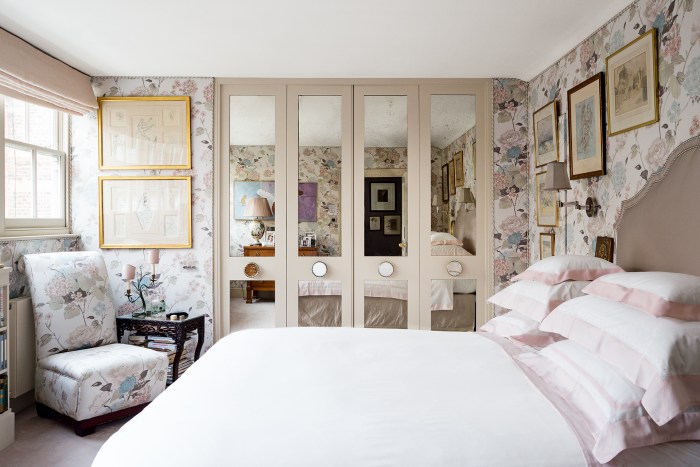
When it comes to organizing a space effectively, incorporating design elements can play a crucial role in not only enhancing the aesthetics but also improving functionality. By utilizing elements like color coding, labeling, and strategic placement, you can create a space that is visually appealing and well-organized.
Examples of Design Elements
- Color Coding: Assigning specific colors to different categories or items can help in quickly identifying and sorting them.
- Labeling: Clearly labeling storage containers, shelves, or drawers can streamline the organization process and make it easier to find things.
- Strategic Placement: Placing frequently used items within easy reach and less used items in higher or lower storage areas can optimize space and accessibility.
Role of Aesthetics
While functionality is key in organizing a space, aesthetics also play a significant role. A visually pleasing environment can have a positive impact on mood and productivity, making it essential to balance both functionality and design elements.
Tips for Balancing Functionality and Design
- Choose storage solutions that are both practical and visually appealing.
- Integrate design elements like patterns, textures, and decorative items to enhance the overall look of the space.
- Consider the flow of the space and ensure that design elements do not hinder the functionality of the area.
DESIGNER TIPS DESIGN SERVICES
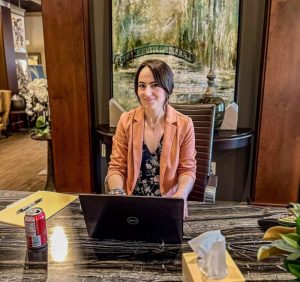
When it comes to organizing your space, hiring a designer for customized solutions can make a world of difference. These professionals bring expertise and creativity to the table, ensuring that your space not only looks great but also functions efficiently.
Designers work closely with clients to understand their specific needs, preferences, and lifestyle. By taking the time to listen and communicate effectively, designers can create solutions that are tailored to each individual client.
Customized Design Solutions
Customized design solutions are all about creating personalized and effective organization systems that cater to the unique requirements of each space. Here are some examples of customized design solutions for organizing different spaces:
- Creating a custom closet layout that maximizes storage space and enhances accessibility based on the client’s wardrobe and lifestyle.
- Designing a home office setup that combines aesthetics with functionality, incorporating ergonomic features and storage solutions to boost productivity.
- Developing a tailored kitchen organization system that optimizes workflow, storage capacity, and visual appeal according to the client’s cooking habits and preferences.
Virtual Design Consultations
Virtual design services have become increasingly popular for organizing spaces, offering a convenient and efficient way to work with a designer remotely. These virtual consultations provide an opportunity to get expert advice and guidance on transforming your space without the need for in-person meetings.
How Virtual Consultations Work
- Virtual consultations typically involve video calls where you can show your space to the designer and discuss your goals and preferences.
- Designers may request measurements, photos, and videos of the space to better understand the layout and potential design solutions.
- During the consultation, designers can provide recommendations, layout suggestions, and product recommendations to help you achieve your desired look.
Advantages of Virtual Consultations
- Convenience: Virtual consultations eliminate the need for travel and allow you to work with a designer from the comfort of your home.
- Cost-Effective: Virtual services are often more affordable than traditional in-person consultations, making professional design accessible to more people.
- Flexible Scheduling: Virtual consultations offer more flexibility in scheduling appointments, allowing you to find a time that works best for you.
Tips for Making the Most of a Virtual Design Consultation
- Prepare Your Space: Before the consultation, declutter and tidy up your space so the designer can see the potential more clearly.
- Be Specific About Your Needs: Clearly communicate your goals, preferences, and any specific requirements you have for the space.
- Take Notes: During the consultation, take notes of the designer’s recommendations and ask any questions you may have to ensure you fully understand the advice given.
In conclusion, implementing these designer tips will not only declutter your space but also elevate its functionality and aesthetic appeal. By incorporating these strategies, you can create a space that is both organized and visually pleasing, ultimately enhancing your overall well-being.
Questions Often Asked
How can organization enhance productivity?
Organizing your space can reduce distractions, help you find items easily, and create a more efficient work environment, ultimately boosting productivity.
What are some examples of storage solutions for small areas?
For small spaces, consider using wall-mounted shelves, under-bed storage containers, and multi-functional furniture to maximize storage without taking up extra space.
Why is it important to create zones for different activities within a room?
Creating zones helps define the purpose of each area, promotes better organization, and improves the overall functionality of the space.