Lighting Tips from Professional Designers sets the stage for this enthralling narrative, offering readers a glimpse into a story that is rich in detail with casual formal language style and brimming with originality from the outset.
Professional designers wield the power of lighting to transform ordinary spaces into extraordinary ones, creating ambiance and functionality through carefully curated choices. Dive into the world of lighting design with expert guidance and innovative insights.
Lighting Tips from Professional Designers
Professional designers utilize lighting to transform spaces, enhance functionality, and create ambiance. By strategically incorporating different lighting techniques, they can elevate the overall aesthetics of a room while ensuring it meets the needs of its occupants.
Creating Different Moods with Lighting Choices
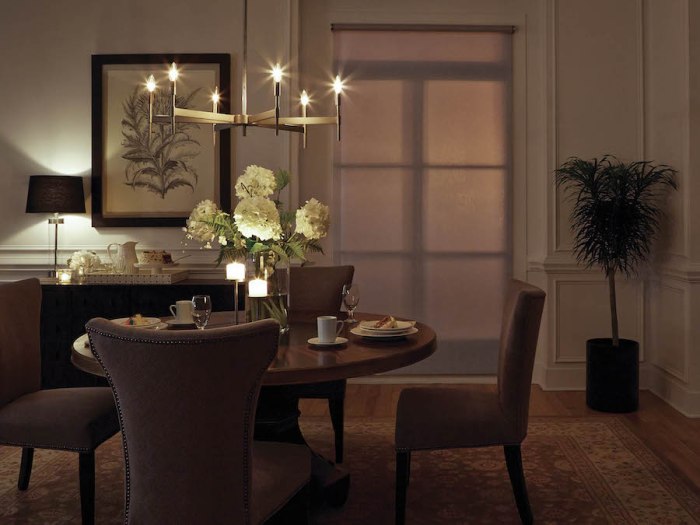
- Soft, warm lighting such as dimmable fixtures or table lamps can create a cozy and inviting atmosphere ideal for living rooms or bedrooms.
- Bright, cool lighting like recessed lights or track lighting can make spaces feel more energized and vibrant, perfect for kitchens or home offices.
- Colored lighting, such as LEDs with customizable hues, can add a playful or dramatic touch to a room, allowing for mood changes based on the desired ambiance.
Importance of Layering Lighting in a Room
Layering lighting involves combining ambient, task, and accent lighting to achieve both functionality and aesthetics. This technique ensures that different areas of a room are adequately illuminated while adding depth and visual interest to the space. For example, a combination of overhead lighting, task lighting for work areas, and accent lighting to highlight artwork or architectural features can create a balanced and inviting environment.
Choosing the Right Color Temperature
- For living areas and bedrooms, warmer color temperatures (2700K-3000K) can create a cozy and relaxing ambiance.
- For kitchens and workspaces, cooler color temperatures (3500K-5000K) are ideal as they promote alertness and focus.
- Consider the activities and mood you want to achieve in each space when selecting the color temperature of your lighting fixtures.
Designer Tips
Professional designers understand the crucial role that lighting plays in enhancing the overall aesthetics of a space. Lighting can completely transform the mood, ambiance, and functionality of a room, making it an essential element in any design project.
Types of Lighting Fixtures
Designers commonly use a variety of lighting fixtures to achieve different effects in a space. These include:
- Chandeliers: Perfect for adding a touch of elegance and drama to a room.
- Wall Sconces: Ideal for creating ambient lighting and highlighting specific areas.
- Pendant Lights: Great for task lighting and adding a modern touch to the space.
- Recessed Lighting: Perfect for providing a clean, minimalist look while brightening up the room.
Must-Have Lighting Elements
When designing a space, certain lighting elements are essential to achieve a well-balanced and functional environment. These must-have lighting elements include:
- Task Lighting: To illuminate work areas and provide focused light for activities.
- Ambient Lighting: To create a warm and inviting atmosphere throughout the space.
- Accent Lighting: To highlight architectural features, artwork, or focal points in the room.
- Dimmer Switches: To adjust the intensity of light based on the time of day or desired mood.
Balance of Natural and Artificial Lighting
Professional designers understand the importance of striking a balance between natural and artificial lighting. Natural light brings warmth and vitality to a space, while artificial lighting provides flexibility and control over the ambiance. By strategically combining both sources of light, designers can create a harmonious environment that meets the functional and aesthetic needs of the occupants.
Design Services
Professional designers play a crucial role in creating the perfect lighting design for any space. They have the expertise to assess a room and determine its specific lighting needs, ensuring both functionality and aesthetics are considered.
Assessment of Space for Lighting Needs
Before creating a lighting plan, designers carefully assess the space to understand its layout, purpose, and natural light sources. They take into account the room’s dimensions, furniture placement, and the activities that will take place in the area to determine the optimal lighting solution.
Creating a Lighting Plan
Designers develop a detailed lighting plan that includes the type of fixtures, placement, and intensity of light needed for each area of the room. They consider task lighting for specific activities, ambient lighting for overall illumination, and accent lighting to highlight architectural features or decor elements.
Incorporating Smart Lighting Solutions
Professional designers often incorporate smart lighting solutions to enhance convenience and energy efficiency. This can include programmable lighting systems, motion sensors, or smart bulbs that can be controlled remotely via a smartphone or voice commands.
Impact of Lighting Design on Functionality
The lighting design has a significant impact on the overall functionality of a room. Proper lighting can improve productivity, create a comfortable atmosphere, and highlight design elements. Conversely, poor lighting can lead to eye strain, discomfort, and a lack of ambience in the space.
As we wrap up this illuminating journey through Lighting Tips from Professional Designers, remember that lighting is not just about brightness but also about setting the mood and defining the character of a space. Let these tips guide you in creating a well-lit environment that is both visually appealing and functional.
FAQ Corner
How can lighting affect the mood of a space?
Lighting can influence the ambiance of a room by creating different atmospheres through varying light intensities and color temperatures.
What are some must-have lighting elements for a well-designed space?
Key lighting elements include ambient lighting for overall illumination, task lighting for specific activities, and accent lighting to highlight architectural features or decor.
How do professional designers balance natural and artificial lighting?
Designers often combine natural light sources like windows with artificial lighting fixtures to create a harmonious blend that maximizes both illumination and aesthetics.