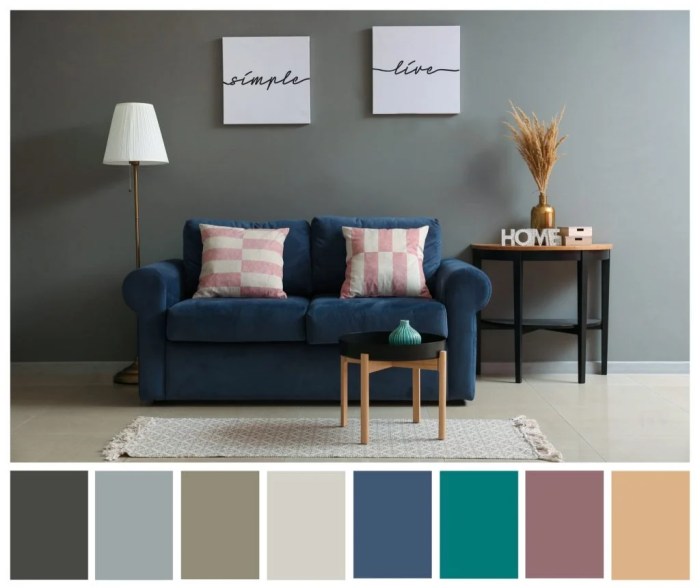
Exploring the world of Color Palette Tips from Interior Designers, this introduction sets the stage for a deep dive into expert advice that can transform any space into a stunning masterpiece.
From selecting the perfect color scheme to understanding the psychology behind hues, this guide covers everything you need to know to elevate your interior design game.
Color Palette Tips from Interior Designers
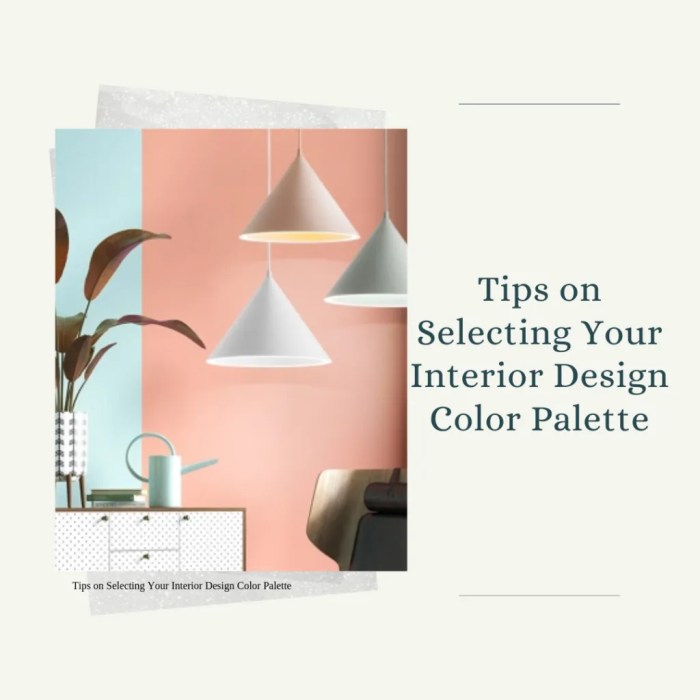
Choosing the right color palette is essential in interior design to create a harmonious and visually appealing space. Interior designers often rely on popular color schemes and consider factors such as lighting and room purpose when selecting colors.
Popular Color Schemes Used by Interior Designers
Interior designers frequently use the following popular color schemes to create different moods and aesthetics:
- Monochromatic: Utilizing variations of a single color for a sophisticated and cohesive look.
- Analogous: Combining colors that are adjacent to each other on the color wheel for a harmonious feel.
- Complementary: Pairing colors that are opposite each other on the color wheel for a bold contrast.
Choosing a Color Palette that Complements Lighting
When selecting a color palette, it’s crucial to consider the room’s lighting. Natural light can enhance certain colors, while artificial light may alter the appearance of others. Opt for warmer tones in rooms with limited natural light to make them feel cozier.
Considering the Room’s Purpose When Selecting Colors
The purpose of the room should influence your color choices. For example, calming blues and greens are ideal for bedrooms, while energizing yellows and oranges work well in kitchens or dining areas. Understanding the room’s function helps create a suitable atmosphere.
Tips for Combining Colors to Create a Cohesive Look
When combining colors, aim for a balance between contrasting and complementary shades. Use the 60-30-10 rule, where 60% of the room is a dominant color, 30% a secondary color, and 10% an accent color. This creates a cohesive and visually appealing space.
Designer Tips
Interior designers play a crucial role in creating color palettes for spaces, ensuring harmony and visual appeal. They draw inspiration from various sources to craft unique color schemes that reflect the client’s personality and preferences.
The Role of Interior Designers in Creating Color Palettes
Interior designers are skilled in understanding color theory, spatial design, and client needs. They consider factors like natural light, room size, and function to select colors that enhance the space.
Inspiration for Color Schemes
Designers draw inspiration from nature, art, fashion, and travel to discover new color combinations. They also stay updated on current trends and historical color palettes to create fresh and innovative designs.
Significance of Color Psychology
Color psychology plays a vital role in interior design, as different colors can evoke specific emotions and moods. Designers use this knowledge to create spaces that promote relaxation, productivity, or creativity based on the client’s goals.
Balance Between Trends and Timeless Choices
Designers skillfully balance trendy colors with classic, timeless options to ensure longevity and versatility in the design. They may incorporate trendy colors in accessories or accents while sticking to timeless neutrals for larger elements like walls or furniture.
Design Services
Interior designers offer a range of design services to assist with color palette selection and overall space enhancement.
Types of Design Services
- Color Consultation: Interior designers provide expert advice on color choices based on the client’s preferences, room size, lighting, and existing decor.
- Custom Color Palette Creation: Designers create unique color palettes tailored to the client’s style and vision for the space.
- Room Layout and Design: In addition to color selection, designers can revamp the entire room layout to maximize the impact of the chosen color palette.
Collaborating with a Designer
Collaborating with an interior designer involves sharing your ideas, preferences, and budget to create a customized color palette that suits your space perfectly. Designers will guide you through the selection process and provide professional insights to achieve the desired look.
Before-and-After Transformations
- Example 1: A dull, outdated living room transformed into a vibrant and inviting space with the right color choices and design elements.
- Example 2: A cramped kitchen opened up and modernized with a fresh color palette and strategic layout changes.
Value of Professional Design Services
-
Professional designers bring expertise, creativity, and industry knowledge to the table, ensuring that your space reflects your personality and style while maximizing its potential.
- By working with a designer, you can avoid costly mistakes and achieve a cohesive, harmonious look that enhances the overall ambiance of your home or office.
In conclusion, mastering the art of color palettes with insights from interior designers can truly elevate the ambiance and aesthetics of any room, making it a reflection of your unique style and personality.
Frequently Asked Questions
How do I choose the right color palette for my room?
Consider the room’s lighting, purpose, and desired ambiance to select colors that complement each other and create the right mood.
Why is color psychology important in interior design?
Color psychology helps designers understand how different hues can impact emotions, behaviors, and perceptions in a space.
What is the significance of balancing trends with timeless color choices?
By combining trends with timeless colors, designers ensure that the space remains stylish and relevant for years to come.