Embark on a journey of sustainable living with our guide on Sustainable Design Tips for Your Home. Discover how simple changes can make a big impact on the environment while creating a beautiful living space.
Learn about the benefits of natural light, eco-friendly materials, energy-efficient insulation, and lighting options for a greener home.
Sustainable Design Tips for Your Home
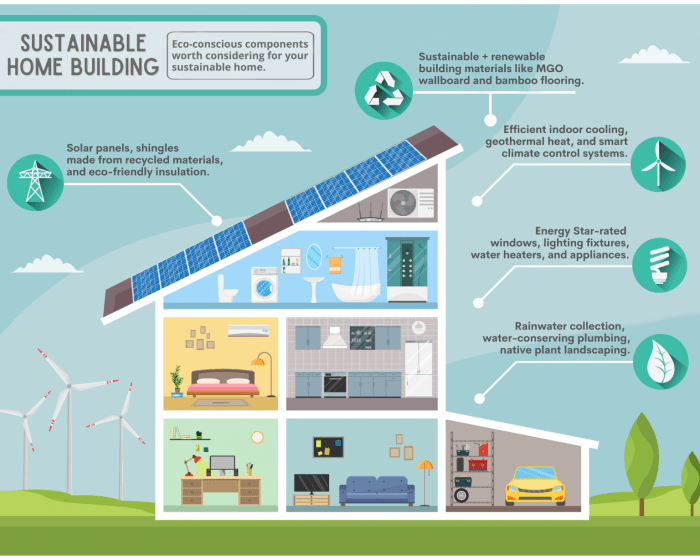
Incorporating sustainable design elements into your home not only benefits the environment but also creates a healthier living space for you and your family. Here are some tips to help you make your home more eco-friendly:
Utilize Natural Light
Maximizing natural light in your home not only reduces the need for artificial lighting but also helps regulate indoor temperature. Consider installing skylights, large windows, or light tubes to bring in more natural light.
Choose Eco-Friendly Materials
- Opt for furniture and decor made from sustainable materials such as bamboo, reclaimed wood, or recycled metal.
- Avoid products containing harmful chemicals like formaldehyde and opt for non-toxic, eco-friendly finishes.
Improve Insulation
Proper insulation in your home can significantly reduce energy consumption by maintaining a consistent indoor temperature. Consider adding insulation to walls, floors, and attics to improve energy efficiency.
Switch to Energy-Efficient Lighting
- Replace traditional incandescent bulbs with energy-efficient LED or CFL bulbs to save energy and reduce electricity costs.
- Install smart lighting systems that can be controlled remotely and adjust brightness based on natural light levels.
Design Services
Professional designers play a crucial role in implementing sustainable design practices in homes. They possess the expertise and knowledge to create environmentally friendly spaces that are both functional and aesthetically pleasing.
Sourcing Eco-Friendly Materials
Designers can help homeowners by sourcing eco-friendly materials for home decor. They have access to a wide range of suppliers and manufacturers that offer sustainable options such as reclaimed wood, recycled glass, and low-VOC paints. By working closely with designers, homeowners can make informed decisions about their material choices and reduce their environmental impact.
Creating a Sustainable Design Plan
Collaborating with a designer to create a sustainable design plan involves assessing the home’s current energy usage, identifying areas for improvement, and selecting eco-friendly materials and fixtures. Designers can help homeowners prioritize their sustainability goals and develop a comprehensive plan that aligns with their budget and timeline.
Benefits of Hiring a Designer
Hiring a designer is beneficial for achieving sustainable design goals because they bring a holistic approach to the project. Designers can offer innovative solutions, recommend efficient technologies, and oversee the implementation of sustainable practices. Additionally, their expertise can help homeowners navigate the complexities of sustainable design and ensure that their vision is realized in an environmentally responsible manner.
Elevate your home design with sustainability in mind by implementing these tips. Create a space that not only looks good but also contributes to a healthier planet.
Detailed FAQs
How can natural light enhance sustainability in design?
By maximizing natural light, you reduce the need for artificial lighting and lower energy consumption.
Why is it important to use eco-friendly materials for furniture and decor?
Eco-friendly materials are sustainable, non-toxic, and reduce the environmental impact of your home design choices.
How does proper insulation improve energy efficiency?
Insulation helps regulate indoor temperature, reducing the need for heating or cooling, thus saving energy.
What are some examples of energy-efficient lighting options for sustainable design?
LED lights, solar-powered fixtures, and dimmable lights are great options for energy-efficient lighting in sustainable design.