Delving into Designer Tips for Choosing Paint Colors, this introduction immerses readers in a unique and compelling narrative, with casual formal language style that is both engaging and thought-provoking from the very first sentence.
Choosing the right paint colors can make a world of difference in the ambiance of a room. From influencing mood to creating visual harmony, the impact of color is profound in interior design. Let’s explore the art of selecting paint colors to elevate your space to new heights.
Designer Tips for Choosing Paint Colors
Choosing the right paint colors for a space is crucial in interior design as it sets the tone and atmosphere of the room. The colors you select can greatly impact the mood, ambiance, and overall aesthetic of a space.
Impact of Different Colors on Mood and Ambiance
The choice of colors can evoke various emotions and feelings. For example, cool tones like blue and green can create a calming and serene environment, while warm tones like red and yellow can add energy and warmth to a room. Neutrals like white and beige can provide a sense of balance and sophistication.
Role of Natural Light in Color Selection
Natural light plays a significant role in how colors appear in a space. Rooms with abundant natural light can handle darker and bolder colors well, while spaces with limited natural light may benefit from lighter shades to create a brighter and more open feel.
Popular Color Schemes and Interior Design
- Monochromatic: Using varying shades of a single color for a harmonious and cohesive look.
- Analogous: Combining colors that are adjacent to each other on the color wheel for a unified and visually pleasing palette.
- Complementary: Pairing colors that are opposite each other on the color wheel to create a dynamic and vibrant contrast.
- Triadic: Choosing three colors that are evenly spaced on the color wheel for a bold and balanced scheme.
Factors to Consider When Selecting Paint Colors

When choosing paint colors for your space, several factors should be taken into consideration to ensure a cohesive and visually appealing result. From matching paint colors with existing furniture to understanding color psychology, here are some essential tips to guide you through the process.
Matching Paint Colors with Existing Furniture and Decor
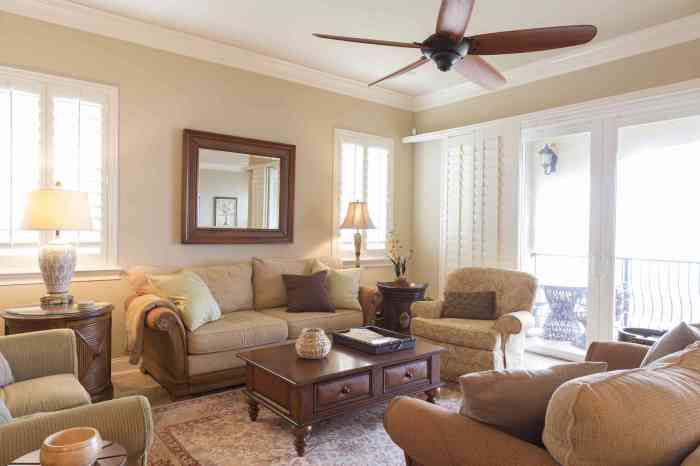
When selecting paint colors, it’s crucial to consider the existing furniture and decor in the space. Choose colors that complement the tones and styles of your furnishings to create a harmonious overall look. For example, if you have a lot of warm-toned wooden furniture, opting for a neutral paint color with warm undertones can help tie the room together seamlessly.
Understanding Color Psychology in Interior Design
Color psychology plays a significant role in influencing the mood and ambiance of a room. Different colors evoke various emotions and can impact how we feel in a particular space. For instance, blues and greens are known to promote calmness and relaxation, making them ideal choices for bedrooms or living rooms. Consider the desired atmosphere you want to create when selecting paint colors for each room.
Coordinating Paint Colors with Different Architectural Styles
The architectural style of your home can also influence the choice of paint colors. For example, a modern, minimalist home may benefit from a monochromatic color scheme with clean lines, while a traditional home could embrace rich, classic colors like deep reds or earthy tones. Take cues from the architectural elements of your space to guide your paint color selections.
Creating Visual Flow and Harmony with a Color Palette
To achieve visual flow and harmony in your space, consider creating a cohesive color palette that ties the entire home together. Choose a primary color that serves as the foundation and then select complementary shades to create depth and interest. Incorporating pops of accent colors can add personality and visual appeal to different areas of your home.
Tools and Resources for Choosing Paint Colors
When it comes to selecting the perfect paint color for your space, there are various tools and resources available to help you make the right choice.
Online Tools and Apps for Visualizing Paint Colors
Online tools and apps have made it easier than ever to visualize how different paint colors will look in your space before making a commitment. These tools allow you to upload a photo of your room and digitally test out various paint colors to see which one suits your aesthetic best.
The Importance of Sampling Paint Colors
Sampling paint colors is crucial before settling on a final choice. Paint can look different under various lighting conditions, so it’s essential to paint swatches on your walls and observe them throughout the day to ensure you’re happy with the color in all lighting scenarios.
Using Color Swatches and Paint Samples Effectively
Color swatches and paint samples are a great way to see how a color will look in your space without committing to a full gallon. Place swatches on different walls and observe how they look at different times of the day to get a better sense of how the color will interact with your space.
Seeking Professional Advice on Paint Color Selection
If you’re feeling overwhelmed or unsure about choosing the right paint color, don’t hesitate to seek professional advice. Interior designers and color consultants can provide valuable insights and recommendations based on your space’s unique characteristics and your personal preferences.
DESIGNER TIPS DESIGN SERVICES
When it comes to choosing paint colors for your space, utilizing the services of a designer can offer numerous benefits. Designers bring expertise, creativity, and a fresh perspective to the table, helping you achieve a cohesive and polished look.
Benefits of Using a Designer for Choosing Paint Colors
- Designers have a trained eye for color theory and can recommend shades that complement your space and personal style.
- They can help you avoid costly mistakes by ensuring the chosen colors work well together and suit the lighting conditions of your room.
- Designers often have access to exclusive paint collections and finishes, providing you with unique options for your project.
How Designers Assess a Space and Client Preferences
Designers start by evaluating the existing decor, architecture, and natural light in your space. They also consider your personal preferences, lifestyle, and the mood you want to create in the room.
Collaborating with a Designer on Paint Color Selection
- Designers typically begin by creating mood boards or color palettes to visualize the overall look and feel of the space.
- They involve you in the decision-making process, presenting different options and gathering feedback to tailor the colors to your liking.
- Once the final colors are selected, designers can provide paint samples and oversee the implementation of the color scheme.
Examples of Successful Interior Design Projects
Take, for instance, a cozy living room transformed by a designer who selected a warm, earthy color palette to enhance the room’s inviting atmosphere. Another example is a modern kitchen where a designer used a bold accent color to create a focal point and add personality to the space.
In conclusion, mastering the art of choosing paint colors is essential for creating a cohesive and visually appealing living space. By understanding the impact of colors, utilizing design tools, and seeking professional advice, you can transform your home with a personalized color palette that reflects your style and personality.
FAQ Explained
How does natural light affect paint color selection?
Natural light can greatly influence how paint colors appear in a room. It’s essential to consider the direction of light and the time of day to choose the right shade.
Why is sampling paint colors important?
Sampling paint colors allows you to see how they look in different lighting conditions before making a final decision, ensuring you pick the perfect hue for your space.
What are the benefits of using a designer for choosing paint colors?
Designers have the expertise to assess your space, understand your preferences, and recommend colors that enhance the overall look and feel of your home.


